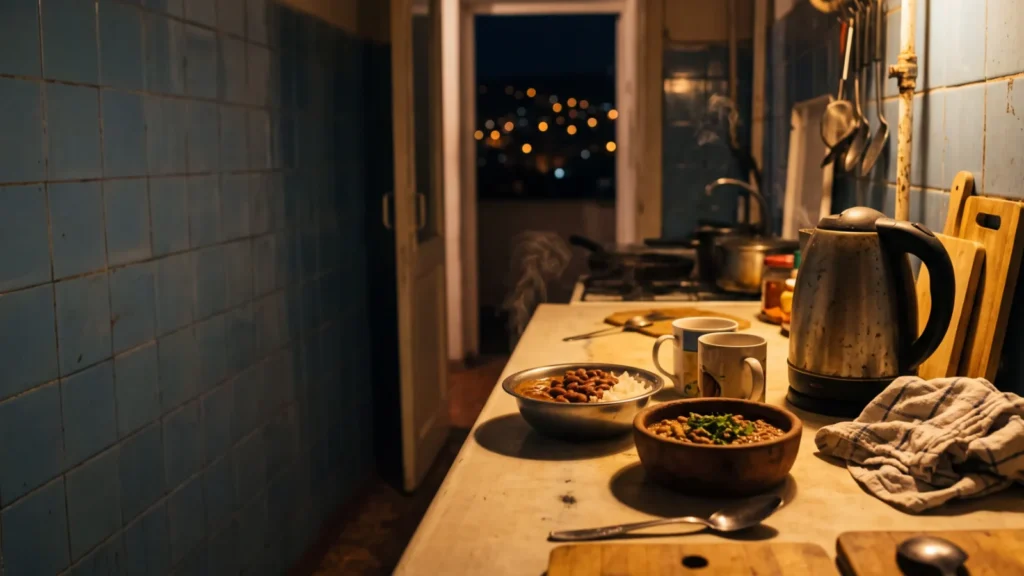
The best Indian food for MBBS students in Georgia is a small stock of light, sealed vegetarian meals for the first few weeks, plus dry staples like dal, rice, poha and spice mixes for cooking once you settle in. Pack enough ready meals for about three weeks, learn which Georgian dishes are vegetarian, and you will rarely go hungry in Tbilisi, Batumi or Kutaisi.
Georgia has become one of the biggest MBBS destinations for Indian students, and most arrive in September or February. The first month is the hard part: hostel kitchens are shared, the mess (if there is one) takes time to find, and Georgian food is rich in cheese, walnuts and herbs that taste nothing like home.
What Indian food should MBBS students take to Georgia?
Think in three groups: food you can eat on day one without shopping, staples you will cook with for months, and small comforts that are hard to find in Georgia.
| Group | What to pack | Why it helps |
|---|---|---|
| Ready meals | 15 to 20 freeze-dried meals such as dal chawal, rajma chawal, khichdi and poha | Eat on arrival day, during registration and on late lab days with only a kettle |
| Staples | 1 kg toor or moong dal, 500 g besan, poha, a small bag of sooji | Rice and vegetables are easy to buy in Georgia; good Indian dal is not always nearby |
| Spices | Small sealed packs of haldi, jeera, garam masala, sambar and rajma masala, hing | Indian stores exist in Tbilisi but are far from many hostels and cost more |
| Comforts | Pickle in a leakproof jar, a steel tiffin, a steel tumbler, an electric kettle if your hostel allows one | Turns plain rice into a meal and makes hostel eating easier |
Keep meat and milk products out of your bag. They face the strictest rules almost everywhere, and you will not miss them because Georgia has good dairy of its own. Rules can change, so check the official Georgian customs or embassy site before you fly, and answer honestly if an officer asks about food.
Which ready meals work best in a Georgian hostel?
Choose meals that need nothing but hot water. Many hostels in Tbilisi have one kitchen for a whole floor, and in the first weeks you may not own a pan. A freeze-dried meal is light in the suitcase, has 6 months shelf life, and is made with hot water, 7 minutes, in the pouch or a bowl.
- Dal chawal for the most familiar taste after a long day. Freeze-dried yellow dal chawal is the meal most students reach for first.
- Rajma chawal for a heavier meal on cold evenings, when Tbilisi drops close to freezing in January. Freeze-dried rajma chawal fills you up after anatomy practicals.
- Khichdi for days when your stomach is still adjusting to new water and rich food.
- Poha or upma for a fast breakfast before 8 am lectures.
All of these are 100% vegetarian with no preservatives, so a stock of them also works for Jain friends and roommates who are careful about what they eat.
Is Georgian food vegetarian friendly?
More than most students expect. Georgian cooking uses a lot of beans, aubergine, walnuts and greens, and many dishes are meat free by tradition. Learn these names and you can eat out cheaply:
- Lobio: a slow-cooked kidney bean stew served in a clay pot, close to a mild rajma. Eat it with mchadi, a dense cornbread.
- Khachapuri: bread baked with cheese; the Adjarian version from Batumi comes boat shaped with egg and butter, so ask for it without egg if you avoid eggs.
- Pkhali and badrijani: spinach, beetroot or aubergine mixed with walnut paste and herbs, served cold.
- Fasting menus: during Orthodox fasting periods many restaurants offer dishes with no meat and no dairy at all.
Khinkali dumplings are usually filled with meat, but mushroom and potato fillings exist; ask before you order.
How do Indian students manage food in Tbilisi, Batumi and Kutaisi?
Most settle into a routine within a month or two. A typical week looks like this:
- Lunch from an Indian mess or tiffin service near the university, where one is available.
- Dinner cooked with flatmates: rice, dal and a local vegetable, which keeps costs low.
- A ready meal on late days, exam weeks and Sundays when the mess is closed.
- Groceries from local markets and supermarkets for rice, potatoes, onions, tomatoes, beans and fruit, with a monthly trip to an Indian store for spices.
Batumi is wetter and windier than Tbilisi, and Kutaisi has fewer Indian shops, so students there tend to carry more spices from home. In every city, a kettle and a stock of meals is what saves you in the first week, before you know where anything is.
What mistakes do first year students make with food?
- Packing glass jars of pickle without sealing them inside a zip bag. One leak can ruin a suitcase of clothes.
- Carrying 10 kg of rice. Rice is easy to buy in Georgia; use the weight for dal, spices and ready meals instead.
- Relying only on the mess. Messes close for holidays and change cooks; keep a backup.
- Skipping breakfast before long hospital days. A cup of poha takes less time than the walk to class.
For a wider packing list that works for any country, see freeze-dried Indian food for students abroad.
Read next: Indian food for MBBS students in Russia and Ready-to-eat food for students going abroad
Questions people ask
Can I take Indian food to Georgia for MBBS?
Students commonly carry sealed, dry, vegetarian food such as dal, spices, poha and ready meals for personal use. Rules can change, so check the official Georgian customs or embassy site before you fly and declare food if you are asked.
Is vegetarian food easy to find in Georgia?
Yes, more than most students expect. Lobio (bean stew), pkhali, badrijani, mchadi and khachapuri are all meat free, and many restaurants offer fasting menus with no meat or dairy during Orthodox fasting periods.
Do Indian students in Georgia have an Indian mess?
Many private hostels and student areas in Tbilisi and Batumi have Indian messes or tiffin services, but quality and timing vary. Keep a few ready meals for late classes, exam weeks and days the mess food does not suit you.
What is the easiest Indian meal to make in a Georgian hostel?
A freeze-dried meal such as dal chawal or rajma chawal is the easiest because it needs only a kettle. Hot water, 7 minutes, and it is ready, with no shared hob, no pots and no fridge.
For your first weeks in Georgia, Spice Up Foods makes freeze-dried, 100% vegetarian Indian meals that need only a kettle. See Spice Up Foods meals